Cool Iphone concept idea
Apple has a history of being a very private company. Stemming from its roots with Steve Jobs and Steve Wozniak, both having personalities that keep intimate matters close at hand, Apple is never one to divulge its secrets; without a plan, that is. Apple cultivates a following and brand loyalty that is close to unheard of, not only in the tech industry, but anywhere. The secret to their success on this matter is their deliberate release of key information at key times to bolster buzz and maximize free publicity.
As many are aware, according to Cnet, Apple has recently lost a second iPhone, the iPhone 5 prototype. Those who recall last summer’s fiasco remember the phone being left at a bar, taken and then sold to Gizmodo for device images, review, and teardown information. It seems odd that a second unreleased prototype would go missing in much the same manner. Simply put, this may all be a giant publicity stunt for Apple.
There is no secret that a new iPhone 5 is in the works. Rumors have been circulating for months about which processor, screen, and form factor will be used. In addition to technology websites, Apple may be starting to tire out mainstream media. They have established a solid brand with tremendous customer loyalty and have an immense market share in the states. Apple is no longer the underdog; the company has been valued as the single most valuable company in the world, and it’s hard to keep everyone balking in awe with every new release. Innovation is expected as the norm, and this has slowly tired out broadcast media.
The fastest way to disseminate information is a scandal, and Apple has managed to manufacture one just for their liking. Even a quick survey of top news sites has the stolen iPhone prototype at least mentioned, which at this point is all Apple needs. Just as Apple has always innovated to create new products by giving consumers what they want, so are they now leaking just enough information to keep its customers hanging for an official word?
On paper, both Apple’s App Store and Google’s Android Market provide very similar experiences. Both tools serve as a gateway for users on either platform to purchase and download apps for their phones. However, there are some critical differences in the two markets that mobile developers need to be aware of when beginning development. Being familiar with these differences can help developers decide whether Android development or iOS development is the proper path for their mobile app development strategy.
The biggest difference in the two platforms is that Apple reviews every app submitted before it is released to the App Store. Every app is judged on how well it adheres to the guidelines set forth by Apple, and is either released to the App Store or denied submission based on Apple’s verdict. The policy has come under fire from critics who say that Apple’s guidelines are too restrictive or too vague, and that Apple doesn’t provide enough feedback when rejecting apps. Android, on the other hand, does not have any sort of filtering process prior to apps being released to the Android Market. Mobile apps that have been built for Android can be published immediately, and will stay on the market unless they violate the Android Market‘s content policy. Typically, for apps to be removed from the Android Market, they have to contain some egregious violation. For example, the app must contain a virus, or blatantly violate copyright. Based on this difference, it is clear that Android development offers more potential than iOS development. Because Google does not screen apps prior to publishing them and does not limit what apps are allowed to do, mobile app developers don’t run the risk of pouring time and money into a project only to have it rejected.
On the other hand, Apple’s App Store might be more profitable than the Android Market. Statistics show that Android users pay for apps much less frequently than iOS users. While ads are a potential revenue source in free apps, mobile developers might desire the more consistent revenue stream that comes from charging for apps. In addition, the inclusion of ads can hinder the quality of mobile app development, as they take up space within the app. Because of this, app developers with a very unique, profitable idea might find more financial reward in opting for iPad development and iPhone development, rather than Android development.
There is an immeasurable amount of differences in the Apple App Store and the Android Market. The most important thing is for mobile developers to conduct research before beginning projects. This way, they can minimize the potential of a nightmare scenario where potential revenue is lost by developing on the wrong platform.
With rumors of the debut of a low-cost iPhone beginning to swirl, it’s important for iPhone developers to
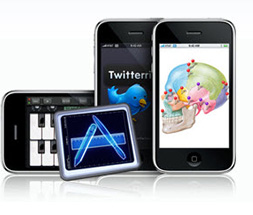
assess what it would mean to them. The rumors are currently suggesting an iPhone model with less storage than previous iterations of the device. This new model would rely on Apple’s cloud storage services for its data needs; music, photos and other media would be saved to and pulled from the cloud in lieu of being saved to the device. Anyone running or working for an iPhone development company should be paying close attention to what Apple unveils in the coming months.
For iPhone developers, one thing to make note of is that a low-cost version of the smartphone means more users to market apps to. Currently, the biggest hurdle to owning an iPhone is the cost. If Apple were to release an iteration of its model that could be afforded by a less well-off segment of customers, it would potentially mean millions of new users flocking to iOS. Apple would finally have a device to compete with the lower-end Android devices that are currently available. For an iPhone development company that also develops for Android, it would likely mean that they need to consider shifting resources to iOS development. By taking this step, iPhone developers would avoid missing out on a massive wave of potential new customers.
Another thing to keep in mind is that a low-cost iPhone doesn’t just mean more users. It means more users who otherwise couldn’t afford to purchase one of Apple’s phones. These same users are also much more likely to prefer free apps over paid ones. Since the Apple App Store currently has a strong focus on paid apps, this could mean a chance for an iPhone development company to steal market share. By releasing ad-supported alternatives to paid apps, iPhone developers could cash in on a new market segment that inherently prefers free apps.
The prospect of a low-cost iPhone is certainly interesting to consider. The move makes sense for Apple because it would help stop some of the bleeding that has been caused by Android over the last year. Almost any iPhone development company would be sure to appreciate this, as it means a larger market share. On the other hand, it also means deviating from a strategy of releasing only one model at a time – something that has worked out extremely well for Apple over the last four years.
The iPhone has truly redefined how people interact with their phones and the world around them. The surge of iOS app developers has created a multitude of apps, each of which offers a different approach to integrating with the hardware. The iPad and iPhone each have very advanced hardware built-in, however, they also offer iOS app developers many different ways to connect additional external hardware to provide additional functionality.

The iOS platform offers many different ways for the iOS app developer to integrate iOS devices with external hardware. Utilizing two cameras, a 30-pin dock connector, Bluetooth, Wi-Fi, and a headphone jack with an additional control mechanism, the full line of iOS devices offers many different ways to connect external hardware. Using these various inputs, additional functionality can be added. Sensors, switches, motors, and many other electrical devices can both offer input to an iOS device and be controlled by an iOS device.
The power of Apple’s mobile systems has presented itself through its large and ever expanding library of apps. The internal hardware provides a large base of power which can be tapped in to. From custom designed processors to crisp displays and many different sensors, including proximity sensors, there is a bulk of internal hardware to utilize. However, the power that exists can be easily supplemented with additional external hardware. When developers use iOS app development techniques that integrate with external hardware, they can extend the power offered by iOS devices to even more scenarios.
The iPhone and iPad have truly revolutionized the way in which people interact with their surrounding environments. With the additional of external hardware that can seamlessly integrate with one of the hundreds of thousands of apps, extremely powerful and agile computing environments can be customized and implemented in seconds. With the power of such devices coupled with external hardware to provide even more inputs, the sky is the limit when it comes to new and ever-changing ways to interact with data and the physical world. It is up to iOS app developers to come up with ways to take advantage of all the external hardware that has potential to integrate with iOS devices.
If you are a hardware developer looking to integrate a devices with an iOS device, Ecom Solutions is an iOS app Development company ready for the challenge.
The latest news says that Apple is looking to combined their mobile operating, iOS, and their desktop operating system, OS X, into one singular platform. This is a vision that Apple has probably had for a long time. Implementing a system like this would further unify their products, and make their product line all the more attractive to consumers. What dose this mean for iOS developers and OSX developers? Only the future can tell.
iOS developers will most likely welcome this change as it allows for an even bigger audience to take advantage of the apps they create. It could also mean bigger
challenges for iOS developers. When this merger of platforms takes place, expected around 2013, iOS developers will be faced with the challenge of not only creating apps that function on the iPad, iPhone, and other iOS device’s, but also making sure these apps function on their desktop and laptop counterparts. iOS developers looking to develop apps that are supported on all Apple platforms will have to consider how to make the iOS app’s multi-touch controls integrate with the traditional computer’s user interface, and vice-versa.
iOS developers will have to make sure they are ready for these drastic changes. Now facing challenges similar to that of android developers (creating apps for a wider variety of platforms) iOS developers must make sure that they are equipped with the skills to develop Apple applications that are dynamic and interactive enough to take advantage of the current iOS devices user interface and the computing power of traditional Macs.
This integration of iOS and OSX are something that could turn the Apple development community upside down. iOS programmers will now have to work hand in hand with OSX programmers to make sure they are ready for the impending changes.
What does this mean for future Apple hardware? Apple is expected to use the 32-bit arm architecture to address the vast majority of the OSX product range, excluding high performance professional devices. This is believed to be the make up of the Apple ecosystem until 2016 when the 64-bit ARM architecture will become available. Once that takes place iOS developers and OSX developers can expect to be working on a single OS and hardware architecture.
Currently iOS developers must make sure they are at the forefront of iOS development technology. IOS developers must make sure their apps are taking advantage of, and ready to take advantage of, all the technology the release of iOS 5 is expected to bring with it. iOS developers must be primed to take advantage of technologies like iCloud because this is sure to be a big part of the Apple computing infrastructure in the future.
Ecom Solutions is an iOS development company ready to take advantage of all the features iOS 5, and future iOS development and OSX development technologies. Ecom Solutions is read to upgrade existing apps to take advantage of iOS 5‘s new technologies, and will be ready, when the time comes to upgrade existing apps to the expected iOS/OSX hybrid operating system.
In the technology field things are always changing, and it is very hard to resist change. Recently federal and local government officials are making a big change in the technology they use. Government agencies are making a transition that many consumers made years ago. They are switching from RIM devices to iOS devices. This shift begs a very interesting question, what are the iOS apps for government use for state and local governments going to look like?
The key to the success of the iPad and other iOS devices in the government sector is their ease of use. It is this ease of use that make government workers more efficient in their day to day tasks. There are many concerns about the adoption of iOS devices in the government sector, but the good seems to out weigh the bad when it comes to using iOS devices, and governments all over the world are looking for ways to implement iOS devices in their operations.
The iOS apps for government use that are being used today are not necessarily iOS applications designed specifically for government use. Doug Holt, deputy executive director of the Texas Department of Information Resources is one government official that has been quick to adopt the technology of iOS devices, but when he talks about the apps he uses he does not mention any iOS apps for government use specifically. He instead talks about the productivity apps he uses. This brings to attention a very interesting question, are there any ,iOS apps for government use? The answer is barely.
Governments have always been hesitant to adopt new technology because with in governments there are security concerns that other institutions do not face. Certainly there are security concerns for big agencies, like the NSA, that most iOS developers are not accustom to, and cannot handle. So where does this leave the developers of iOS apps for government use?
iOS developers that are thinking of developing must take a step back and assess whether or not they are equipped to deal with the security measures that must be taken with developing iOS apps for government use. This is only one thing that iOS developers must take note of when considering the development of iOS apps for government use.
iOS developers must also be able to provide the support that is going to be demanded along with the delivery of an iOS apps for government use. To release a game with bugs is just an annoyance, to develop an iOS apps for government use that has bugs could become a matter of national security. Governments are also going to be demanding support for their iOS apps for government use once they have been delivered. These are all things that iOS developers should consider before trying to develop iOS apps for government use.
Having had many years of experience, and an outstanding track record, in supporting governments in all their ColdFusion development needs, EcomSolutions is an ,iOS development company that has an understanding of all the expectations government agencies are going to have for their iOS apps for government use.
Over the past year people all over the world have felt the influence of Apple’s iPad, and iPhone. These “magical” devices have changed what we think of when we think about mobile computing. IOS developers have taken note of this and are continuously finding ways to take advantage of the many features iOS devices offer to provide engaging apps for iOS devices in the classroom.
One very interesting implementation of the iPad, and iPhone’s technology is the emergence of iOS devices in the Classroom. 10 years ago people would have never dreamed of anything like the apps for iOS devices in the classroom students can have today, but the education sector is changing as rapidly as the mobile application development sector.
Teachers of all grades and education levels are finding new and exciting ways to get iOS devices in the classroom. This trend of having iOS devices in the classroom is something that many teachers see as the way of the future. Richard Colosi, a first grade teacher in Canandaigua New York, has started using all kinds of iOS devices in the classroom. He has kids reading books on iPads, and others listening to books on iPods, all this while other students are using the iPod touch to record them selves reading and then listening to how they can improve. He claims that since he introduced the iOS devices in the classroom, he has noticed a dramatic increase in the interest students take in learning.
Young children are not the only people that are taking advantage of iOS devices in the classroom, college students can now purchase their text books in a digital form and take it with them on their iOS devices. Students at some universities are taking advantage of apps for iOS devices in the classroom that allow then to interact with lectures, and complete assignment on their iPads.
So what does this introduction of apps for iOS devices in the classroom mean for educators and companies that provide services to the education industry? It means get ready to explore the new possibilities of apps for iOS devices in the classroom. Education institutions can now have custom iPad and iPhone apps developed to provide their students with a more dynamic and interactive educational experience. iOS developers can create apps that show kindergarteners how to read, they can develop iOS apps that teach biology majors the structure of cells, and these are just the beginning of the nearly infinite opportunities that apps for IOS Devices in the Classroom can offer students.
Having had much experience in the education and public sectors, and the iOS development business, EcomSolutions is a company well positioned to develop apps for iOS devices in the classroom.
On June 6th Apple announced the introduction of its latest operating system for its massively popular iPhone, iPad, and iPod Touch. This operating system is said to have over 200 new features. These features will include new native applications, improvements to functionality, and provide great new connectivity between iOSdevices. Below are some highlights of what to expect in iOS 5.
Alerts, notifications, and more
In iOS 5 there is finally a new system for managing notifications. All users of the iPhone have been playing a game only to be interrupted by a text message. Apple has designed a new notification center (surprisingly similar to android’s) that is accessible everywhere, and doesn’t interrupt what you are doing. iOS developers will now be able to create notifications from apps that are far less intrusive during important day to day tasks, like playing Angry Birds.
iMessage
This is a feature that can best be described as blackberry messenger for iOS devices. iMessage is a way for people to communicate from one iOS 5 device to another. This now gives iPhone users the ability to know when someone has received a message, and if they have read it, something blackberry users have had for a long time. This also means iPhone users will now have the ability to message other iOS user when they only have wifi service.
In this day and age everybody is writing, and reading, news on Twitter. An exciting new feature of iOS 5 is a twitter application that is native to iOS devices. This means that iOS development teams can now integrate twitter within their apps. This will allow iPhone, iPad, and iPod Touch users to tweet what they are doing directly from iOS applications. This integration of twitter makes it easier for people to share pictures, locations, and much more directly from applications.
iCloud
iCloud is something that all users of iOS devices will find useful, if apple executes it correctly. The idea behind iCloud is that users of the iPhone, iPad, and iPod Touch will be able to store their content in one place. Apple is giving every user 5gb of free cloud storage where they can keep their music, photos, and videos. iCloudwill then sync these files with all registered iOS devices. Apple says that items purchase from their app store will not take up any of the users free 5gb of storage.
The iCloud system will also provide syncing services for email, calendar, and other data to iOS users. iCloud will also offer people the ability share their apps among their iOS devices.
Perhaps the most interesting feature of iCloud is something called iTunes Match. This is a service that, for $24.99 a year, will allow iOS users to scan music in their library and have it matched to music in the iTunes Store. This will allow users to download their existing songs from the iTunes library, without taking up any of their free 5gb of storage.
iPhone, iPad, and iPod Touch developers have already seen the beta versions of iOS 5, and the public version is expected to be released sometime in September. So get ready for some big changes and improvements in your iOS experience.
For Help integrating these or any other new iOS 5 features into you existing iOS applications, or creating a ground up iOS 5 ready application, visit our website, and brows the large number of mobile application development services we offer.
With the ever-changing environment of mobile application development, flexibility is key. Over the past 5 years we have all noticed the momentous changes in the mobile device market. There is not a single person who has not noticed the rise of the iPhone, and with good reason. The iPhone is a product that changed what we all expect from our mobile devices. People no longer expect their cell phones to just keep them in touch with friends, family and co-workers, they expect a dynamic multimedia experience. This multimedia experience is usually brought to consumers through the Apple app store.
This movement of application development for iPhones, iPads, and iPods has not gone unnoticed by other companies, and now more than ever other companies are challenging Apple for dominance in the mobile device / application market. Over the past few years, rather quietly, Google has grabbed almost 25% of the mobile operating system market. So what does this mean to people looking for application development services for mobile devices? It means that a person who develops an application only for Apple devices will automatically forgo about 25% of the market.
This is where Titanium comes in. At Ecom Solutions we use the Titanium framework to develop mobile applications that can be run on both Apple’s iOS and Google’s Android operating systems. With Titanium our costs of developing cross platform mobile application are reduced, and the market share captured by our applications is greater. We have already developed many applications for satisfied customers, and invite you to contact us and see what Ecom Solutions, with the power of Titanium, can do for you.
| Home | | ColdFusion Development | | Contact Us | | Categories |